

·Apmo Team
What Does Oily Skin Actually Mean?
Oily skin doesn't mean dirty skin. If your face gets shiny a few hours after washing, your skin may simply be producing more sebum (natural skin oil) than it needs. And here's the part many people get wrong: oil and hydration aren't the same thing. Trying to strip away every bit of oil with harsh cleansers, excessive washing or aggressive scrubbing can leave your skin irritated and uncomfortable. Instead, focus on balance: Cleanse gently. Hydrate. Moisturize. Protect. Your goal isn't to have completely oil-free skin. It's to have healthy, balanced skin that feels comfortable. Read the full article to learn what may be causing oily skin and how to care for it properly.
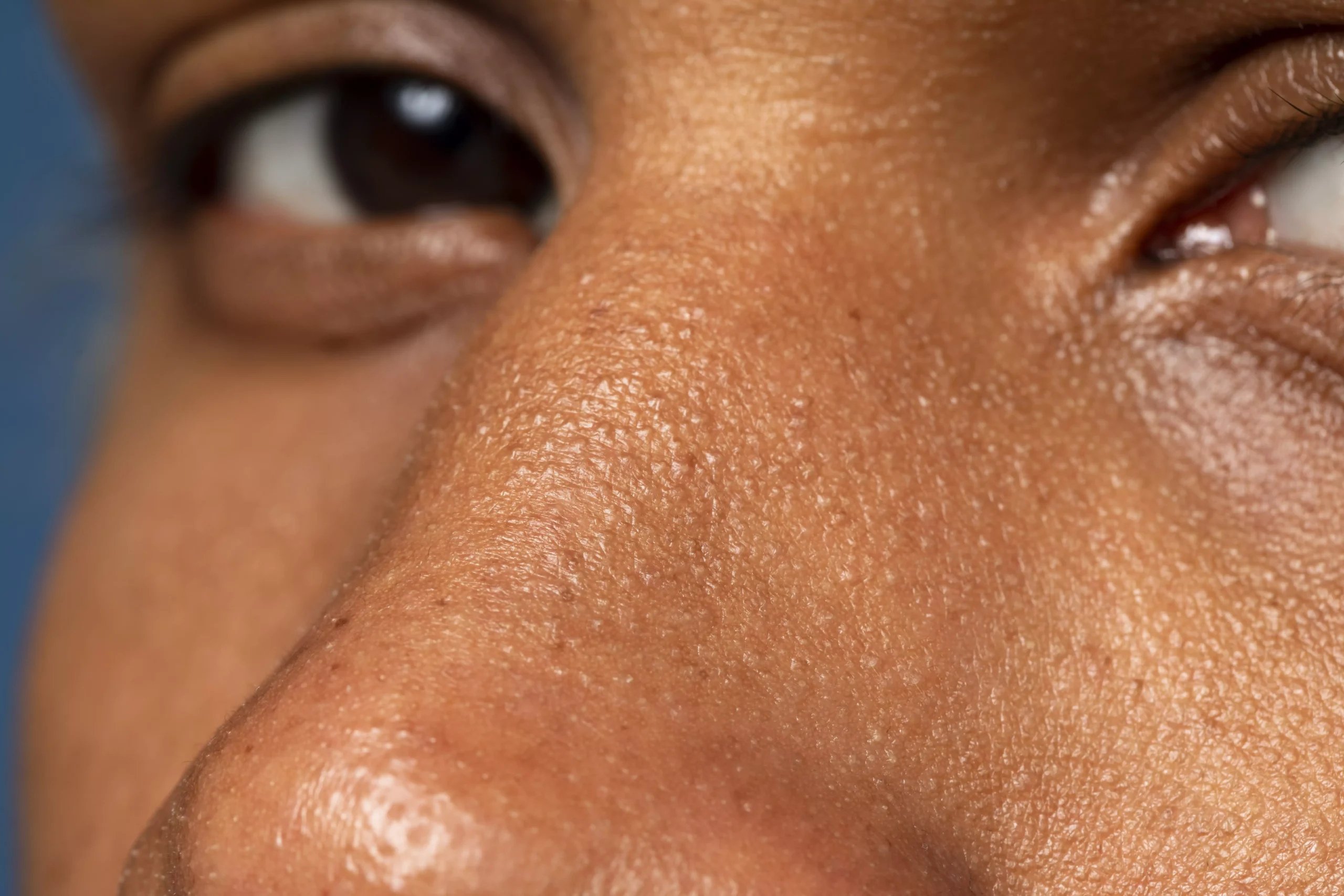
If your face becomes shiny a few hours after washing it, your makeup seems to disappear quickly, or you frequently notice oil around your forehead, nose and chin, you may have oily skin.
But oily skin doesn't mean your skin is dirty or unhealthy.
It simply means your sebaceous glands are producing more sebum (skin oil) than your skin needs at a given time.
And surprisingly, trying to remove all that oil can sometimes make your skincare routine worse.
Why does skin become oily?
Sebum is naturally produced by your skin. It helps keep the skin lubricated and contributes to the skin barrier.
How much your skin produces can be influenced by several factors, including:
* Genetics
* Hormones
* Age
* Stress
* Climate and humidity
* Certain skincare or cosmetic products
This is why someone can have naturally oily skin while another person rarely experiences facial shine.
And if you live somewhere warm and humid, you may notice your skin becoming oilier during certain periods.
Oily skin doesn't mean you should stop moisturizing
This is one of the biggest misconceptions about oily skin.
Many people see oil on their face and think:
"My skin already has enough moisture. I don't need moisturizer."
But oil and water are not the same thing.
Your skin can be oily while still lacking sufficient hydration.
When you completely skip moisturizer, your skin barrier may become uncomfortable or dry, which can make your routine harder to manage.
The goal isn't to remove every trace of oil.
The goal is to keep the skin balanced.
So how should you care for oily skin?
1. Cleanse gently
Wash your face with a gentle cleanser rather than repeatedly scrubbing or washing throughout the day.
Over-cleansing can irritate the skin and leave it feeling tight and uncomfortable.
A simple routine is often better than constantly trying to "fight" your skin.
2. Choose a lightweight moisturizer
Oily skin still needs moisturizing.
Look for lightweight, non-comedogenic formulations that feel comfortable on your skin rather than very heavy products that leave you feeling greasy.
A moisturizer can help support the skin barrier without necessarily making your face oilier.
3. Don't scrub aggressively
Scrubbing harder doesn't mean cleaner skin.
Harsh physical exfoliation can irritate the skin and potentially make existing breakouts worse.
If you exfoliate, choose an appropriate product and don't overdo it.
4. Be careful with "oil-free" and "drying" products
An oil-free product isn't automatically better for everyone with oily skin.
Likewise, products that leave your face extremely dry aren't necessarily doing a better job.
Instead, look at the whole formulation** and how your skin responds to it.
Your routine should leave your skin feeling clean and comfortable—not tight, burning or stripped.
5. Don't forget sunscreen
Oily skin still needs protection from UV radiation.
Look for a sunscreen that feels comfortable on your skin and fits your routine.
Skipping sunscreen simply because your skin is oily isn't a good trade-off.
What about pimples?
Oily skin and acne can be connected, but they aren't exactly the same thing.
Excess sebum can contribute to clogged pores, and clogged pores can contribute to acne. But acne is a complex skin condition involving several factors.
So if you're experiencing persistent or severe acne, constantly changing products isn't necessarily the answer.
A dermatologist or qualified healthcare professional can help identify what's actually happening.
The biggest mistake people with oily skin make
They try to fight the oil instead of managing the skin.
Constant washing.
Aggressive scrubbing.
Skipping moisturizer.
Using extremely drying products.
Then wondering why their skin feels irritated.
Instead, think:
Cleanse → Hydrate → Moisturize → Protect
And stay consistent.
---
Your skin doesn't need to be oil-free.
It needs to be healthy and balanced.
Having oily skin isn't a flaw that needs to be eliminated. It's simply a skin type that requires the right routine.
Learn your skin. Choose products that work with it, not against it, and give your routine time to work.
Healthy skin isn't about having zero oil. It's about finding the right balance.
APMO — Live It Natural.